Animation is a visual language, not a genre
The interesting question is not whether animation can tell a serious story. It is what a particular style makes possible.
Start with the image
Calling animation a genre can obscure how differently animated films work. A medium can support comedy, romance, suspense and anything in between. The visual decisions are part of the storytelling: shape, texture, movement, color and the way one image becomes the next. Looking at those decisions makes it easier to talk about a film on its own terms instead of comparing every frame with live-action realism.
Let style carry meaning
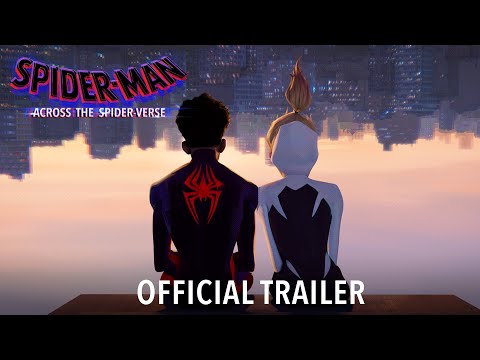
The official Spider-Man: Across the Spider-Verse trailer is a useful invitation to pay attention to visual variety. Watch for differences in texture and graphic treatment. Rather than trying to catalogue every reference, ask how the appearance of a scene changes its emotional temperature. A line can feel nervous or assured; a field of color can feel expansive or crowded. A world can announce its character through the way it moves.
A better viewing question
The question 'does it look real?' is sometimes useful, but it is not the only measure of a successful image. Try asking whether a style is expressive, internally coherent or surprising. Ask what the design allows you to understand at a glance. These questions leave room for artists to exaggerate, simplify and invent. They also make repeat viewing more rewarding, because there is always another relationship between a small detail and the larger frame. Animation invites us to watch a world being designed, not merely reproduced.
SPIDER-MAN: ACROSS THE SPIDER-VERSE - Official Trailer (HD)
Source: Sony Pictures Entertainment — official upload
This article is original editorial perspective. The linked video is presented by its original publisher.